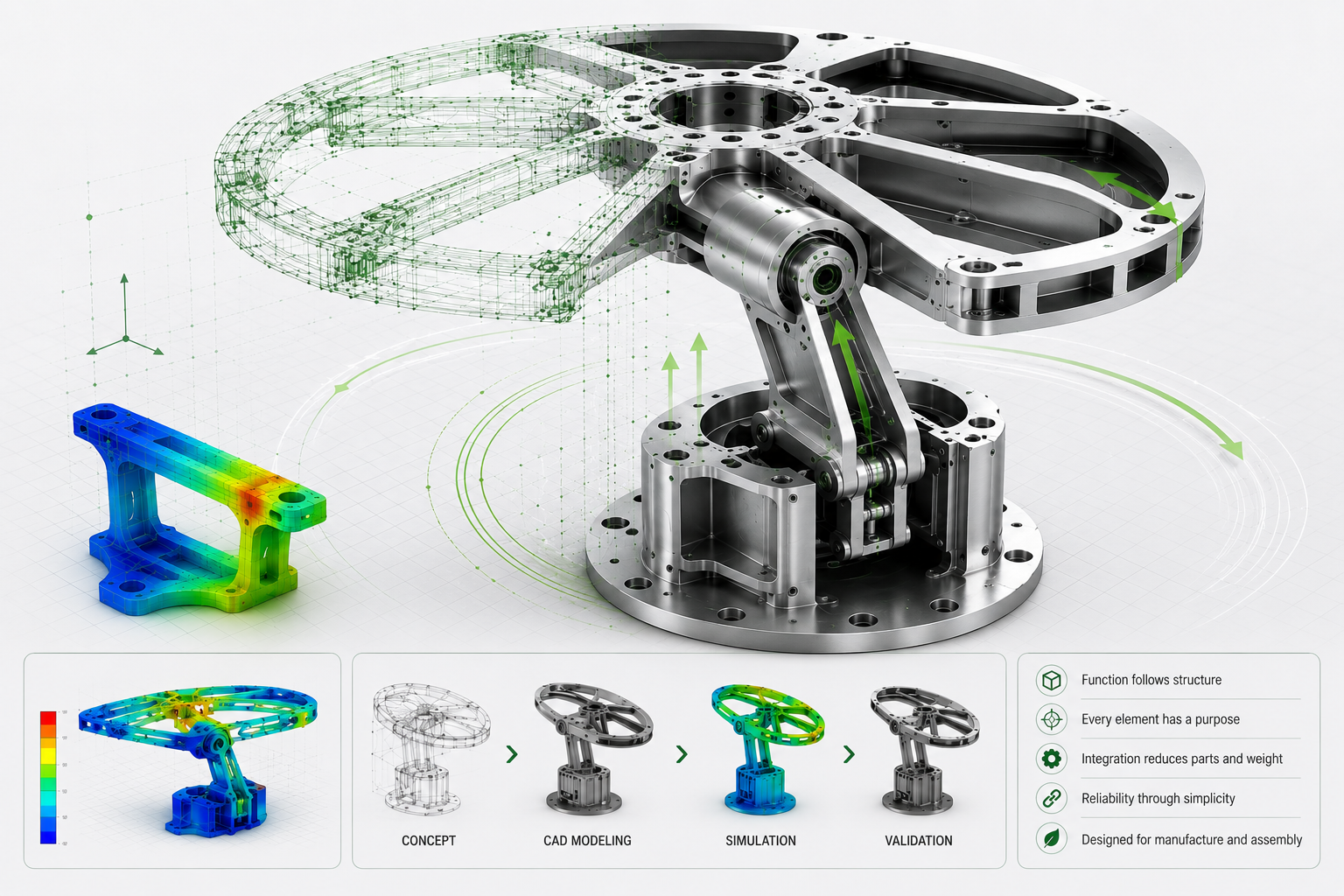
MECHANICAL ENGINEERING
Mechanical & Structural Integration
Design of structures, mechanisms and components conceived to incorporate additional energy and functional elements.
FET combines multidisciplinary engineering, integration, prototyping, testing and production capabilities to turn innovative functions into real components and working systems.
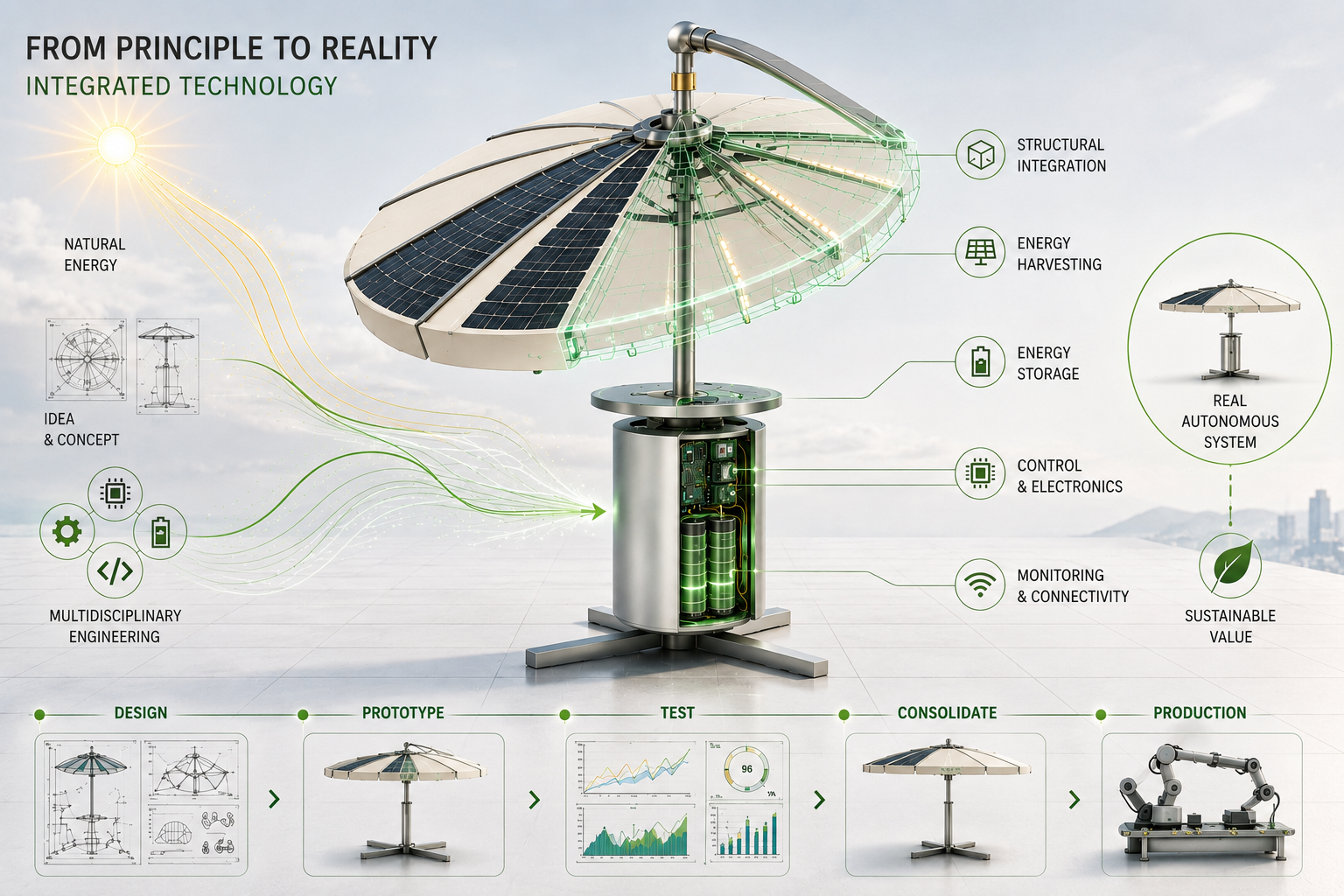
Our projects often require mechanical, electrical, electronic and energy-related functions to be developed together. The technical background of FET is built around this integration.
Design of structures, mechanisms and components conceived to incorporate additional energy and functional elements.
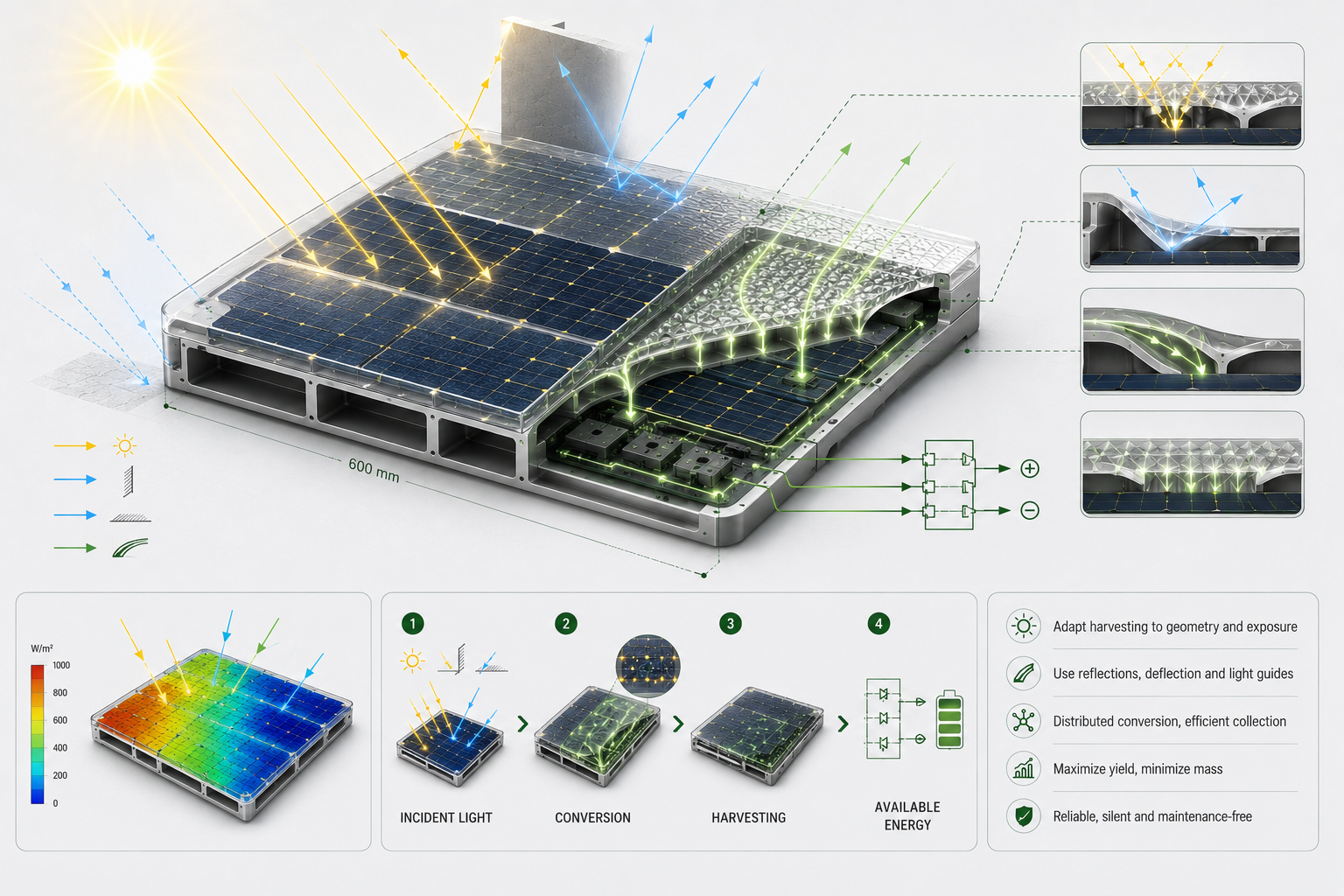
Integration of photovoltaic elements and other transducers into surfaces, structures and autonomous systems.
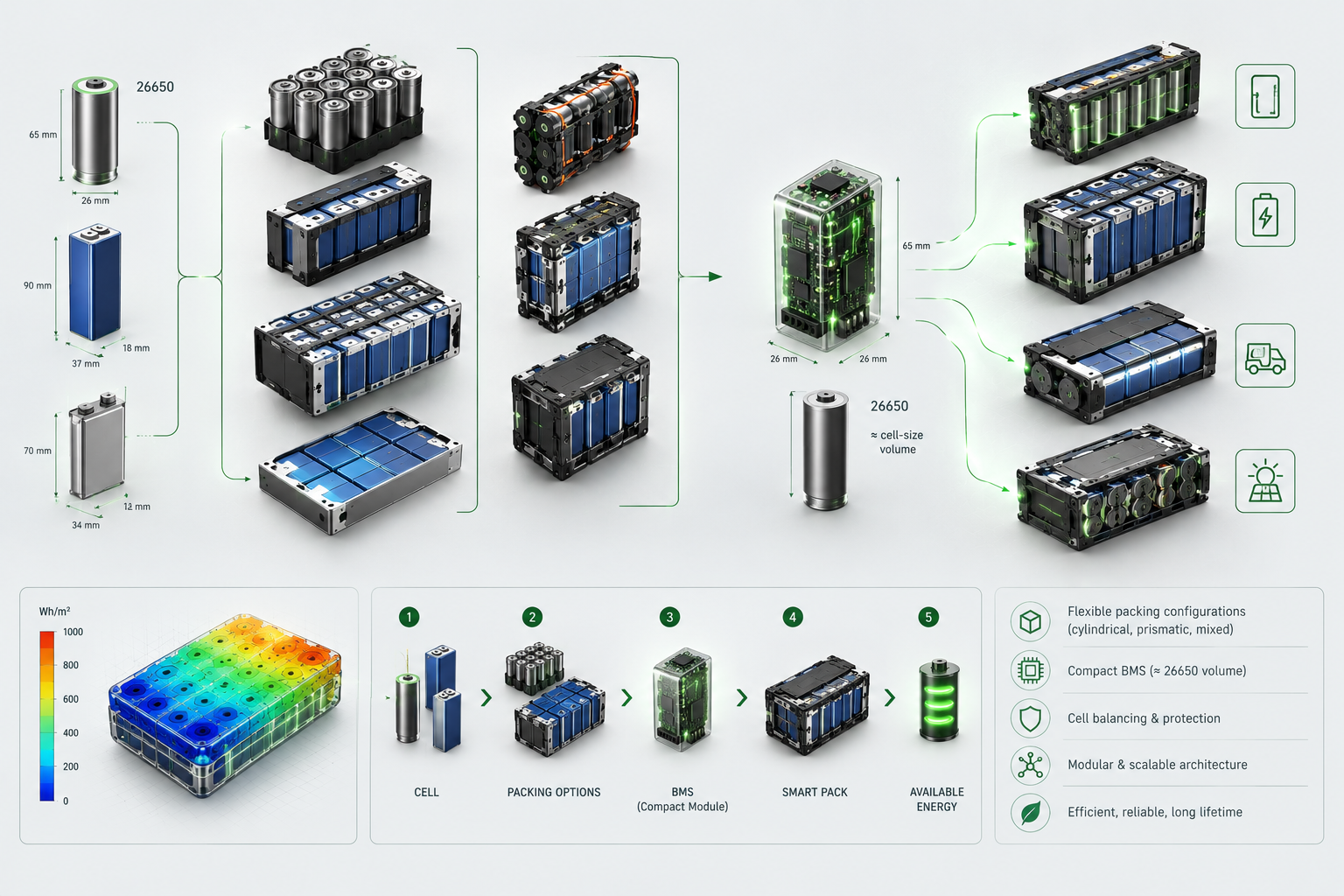
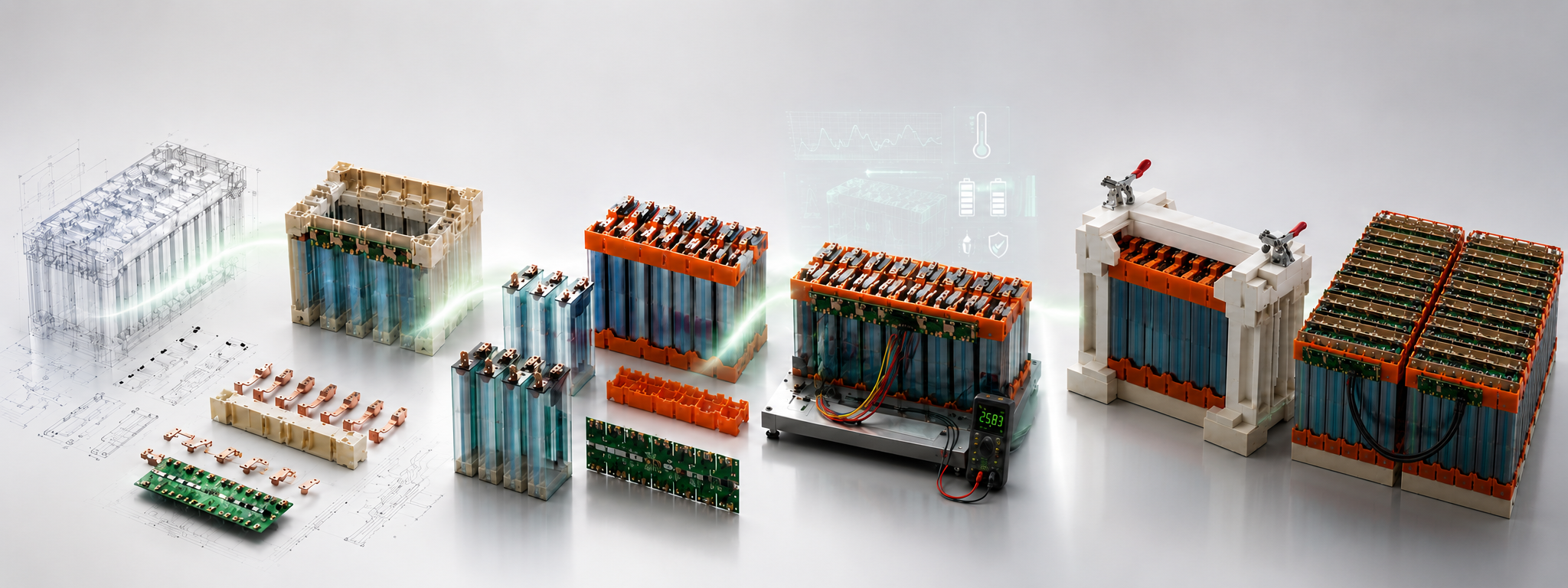
Battery systems, storage architectures and management electronics developed according to the needs of the host application.
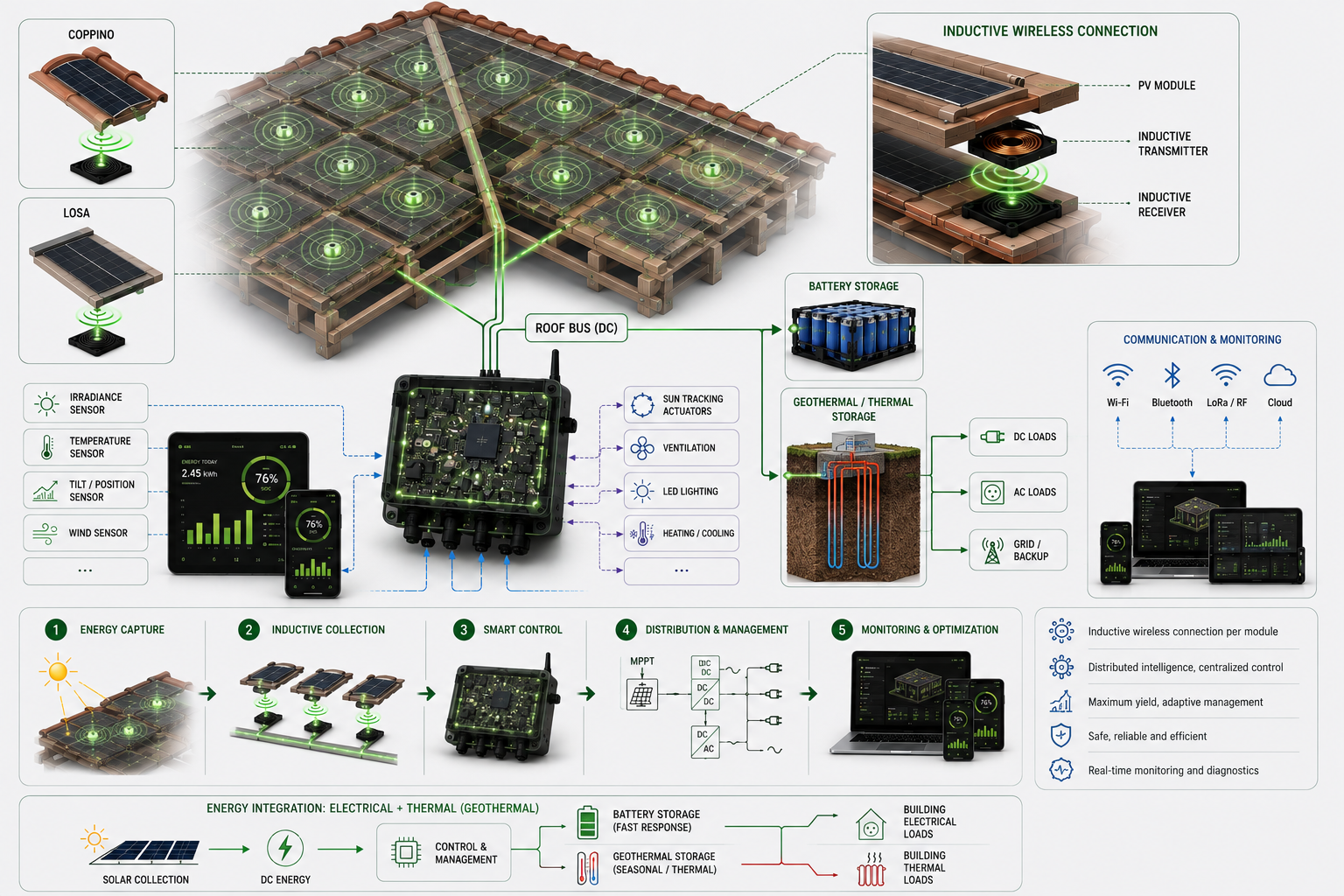
Electronic control, sensing, communication and energy-management functions integrated into the overall system.
Engineering is followed by physical realization. Prototypes and experimental systems allow functions, interfaces and performance to be verified before consolidation.
Define functions, architecture and interfaces.
Transform the design into physical components and systems.
Verify operation, integration and performance.
Refine the solution for repeatable realization.
FET develops products and components with attention to how they can actually be manufactured and assembled. Internal capabilities and selected external processes are combined according to the technology and scale required.
This allows development activity to remain closely connected to real production constraints rather than stopping at the conceptual stage.
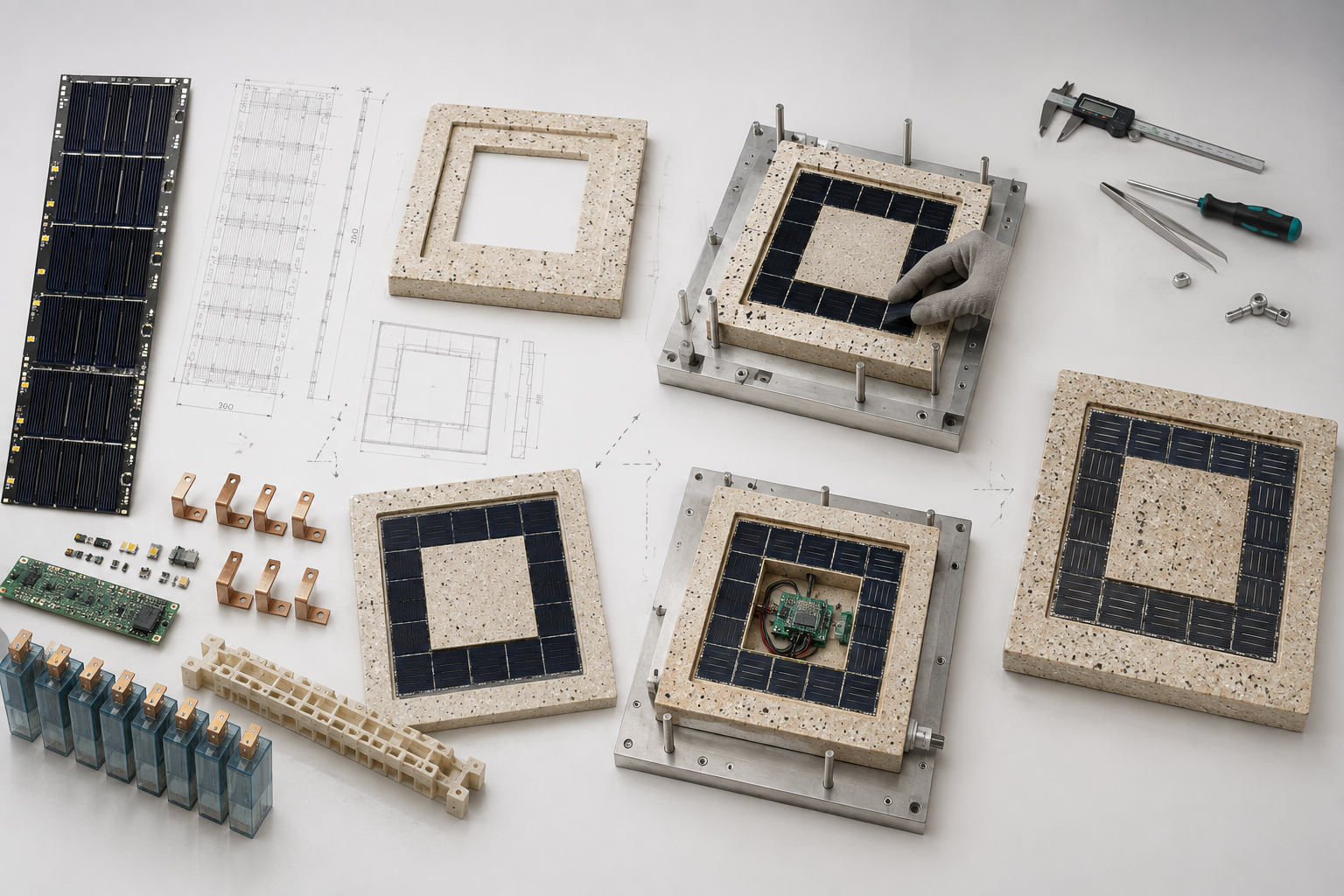
Our technical background supports the complete path from engineering and integration to prototyping, validation and production of real systems.